
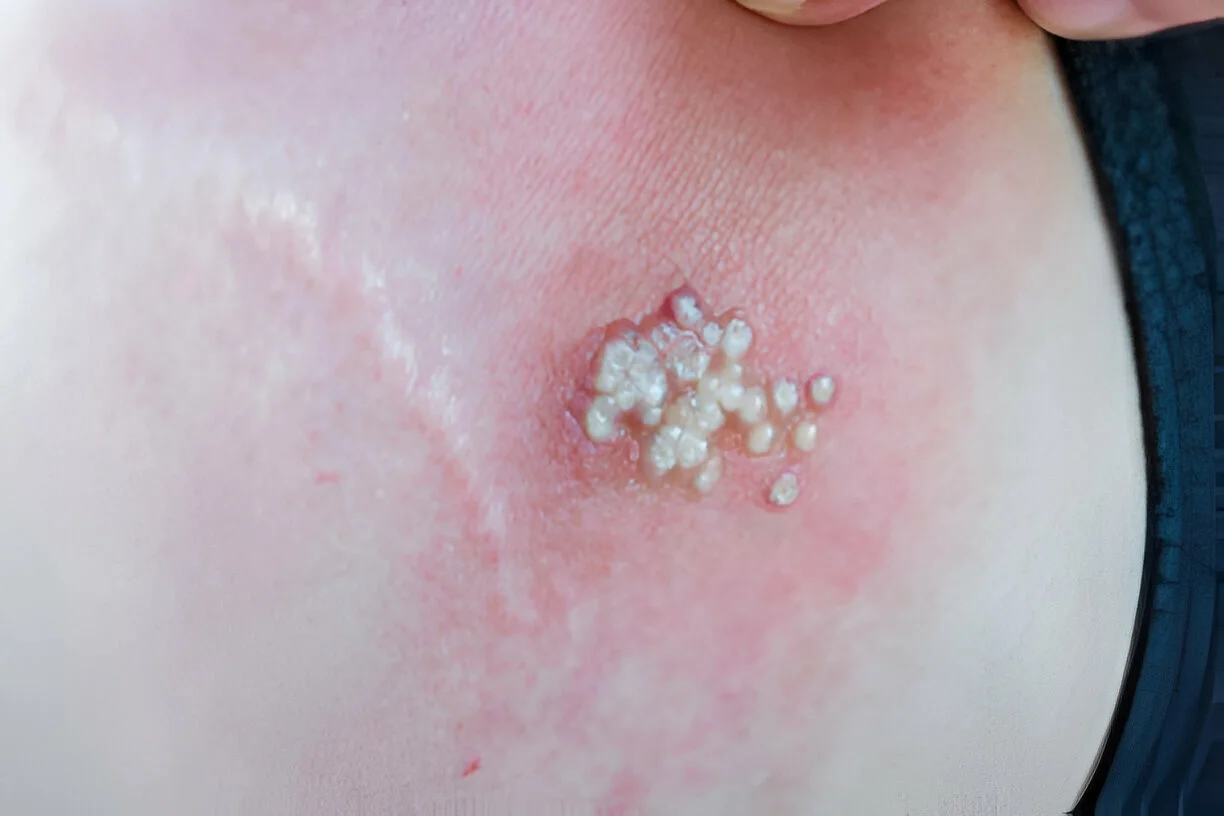
Autoimmune Bullous Diseases (AIBDs) are a group of rare autoimmune skin disorders that cause painful blisters and erosions on the skin and mucous membranes. These conditions occur when the body's immune system mistakenly attacks healthy proteins responsible for holding the layers of the skin together. As a result, the skin separates and fluid-filled blisters develop, causing discomfort, pain, and an increased risk of infection.
At New Touch Skin & Hair Care Clinic, we provide specialized diagnosis and treatment for Autoimmune Bullous Diseases using advanced diagnostic techniques and personalized treatment plans. Our experienced dermatologists carefully evaluate each patient's condition to accurately diagnose the specific type of bullous disease and recommend the most effective treatment to control symptoms, reduce flare-ups, and improve quality of life.
Our dermatology specialists have extensive experience in diagnosing and managing complex autoimmune skin disorders with a patient-centered approach.
We perform detailed skin examinations and recommend appropriate investigations to accurately diagnose various autoimmune bullous diseases before starting treatment.
Each patient's treatment plan is tailored according to disease severity, skin involvement, associated medical conditions, and treatment response for optimal outcomes.
Our clinic combines modern dermatology practices, advanced medications, and supportive care to effectively manage blistering disorders while improving patient comfort and quality of life.
We provide ongoing monitoring, medication adjustments, lifestyle guidance, and long-term follow-up to help patients successfully manage their condition.