
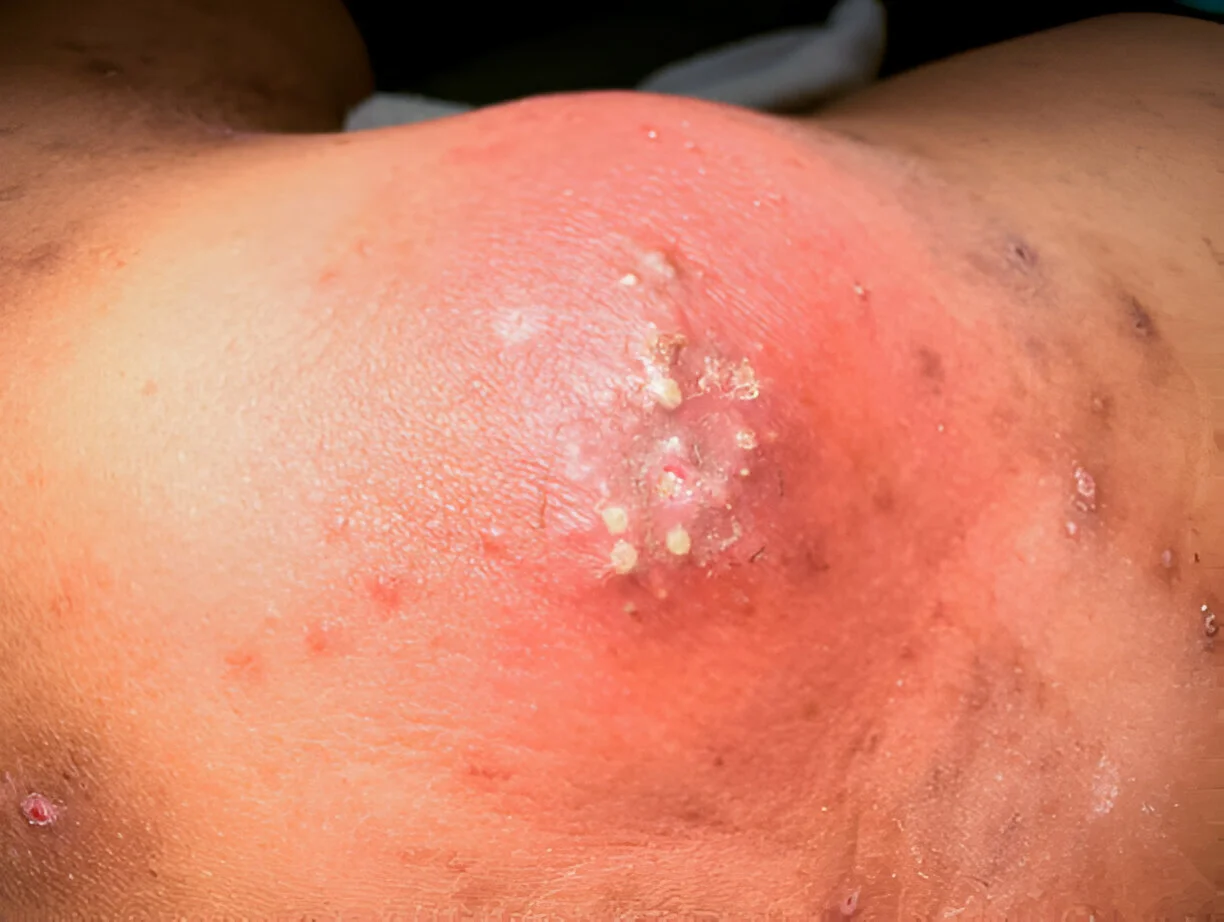
Bacterial skin infections occur when harmful bacteria enter the skin through cuts, wounds, insect bites, or damaged skin barriers, leading to inflammation and infection. These infections can affect the surface of the skin or spread into deeper layers, causing redness, swelling, pain, warmth, pus formation, and discomfort. Early diagnosis and appropriate treatment are essential to prevent complications and promote faster healing.
At New Touch Skin & Hair Care Clinic, we provide expert diagnosis and treatment for Bacterial Skin Infections using advanced dermatological care and personalized treatment plans. Our experienced dermatologists carefully identify the type and severity of the infection before recommending the most effective treatment to eliminate the infection, relieve symptoms, and restore healthy skin.
Our skilled dermatologists have extensive experience in diagnosing and treating a wide range of bacterial skin infections safely and effectively.
We carefully examine your skin condition to identify the exact cause of infection and recommend the most suitable treatment plan.
Every patient receives personalized care based on the type of bacterial infection, severity, skin sensitivity, and overall health condition.
Our clinic combines modern dermatology practices, appropriate antibiotic therapy, and expert wound management to ensure safe and effective healing.
From diagnosis and treatment to aftercare and prevention guidance, we provide continuous support to help maintain healthy, infection-free skin.