
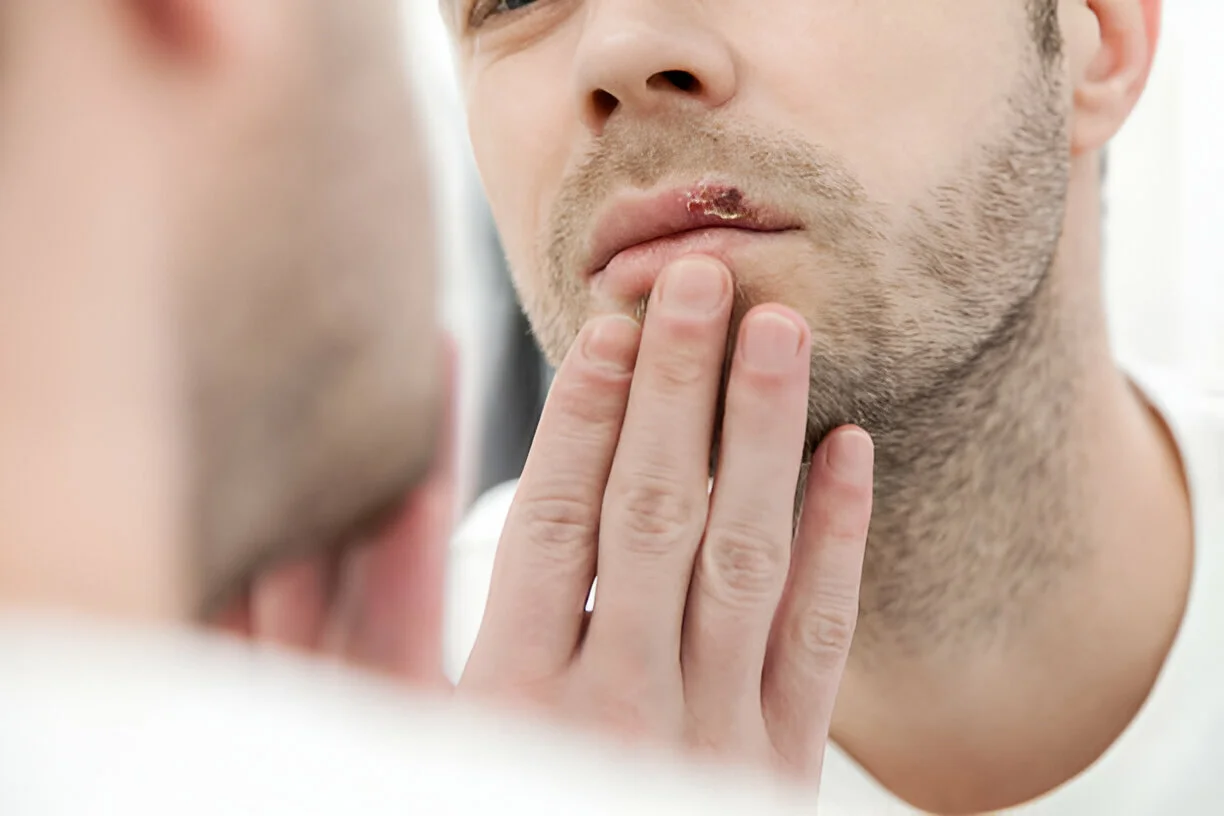
Herpes is a common viral infection caused by the Herpes Simplex Virus (HSV). There are two main types: HSV-1, which commonly causes oral herpes (cold sores around the mouth), and HSV-2, which primarily causes genital herpes. Both types can infect the mouth, lips, face, genital area, and surrounding skin through direct contact with an infected person.
At New Touch Skin & Hair Care Clinic, we provide expert diagnosis and comprehensive Herpes Infection Treatment using advanced diagnostic methods and evidence-based antiviral therapies. Our experienced dermatologists carefully evaluate your symptoms, confirm the diagnosis, and create a personalized treatment plan to reduce outbreaks, relieve discomfort, speed up healing, and minimize the risk of transmission. Although herpes cannot be permanently cured, proper medical management can effectively control symptoms and improve your quality of life.

Our experienced skin specialists provide accurate diagnosis and personalized treatment for both oral and genital herpes infections.
We carefully assess your symptoms, medical history, and risk factors before recommending the most appropriate treatment plan.
We use clinically approved antiviral medications, supportive care, and personalized treatment strategies to effectively manage herpes infections.
We understand the sensitive nature of herpes infections and provide complete privacy, professional care, and patient-focused support throughout your treatment.
Our team offers ongoing follow-up, outbreak management, preventive advice, and education to help you maintain your skin health and overall well-being.