
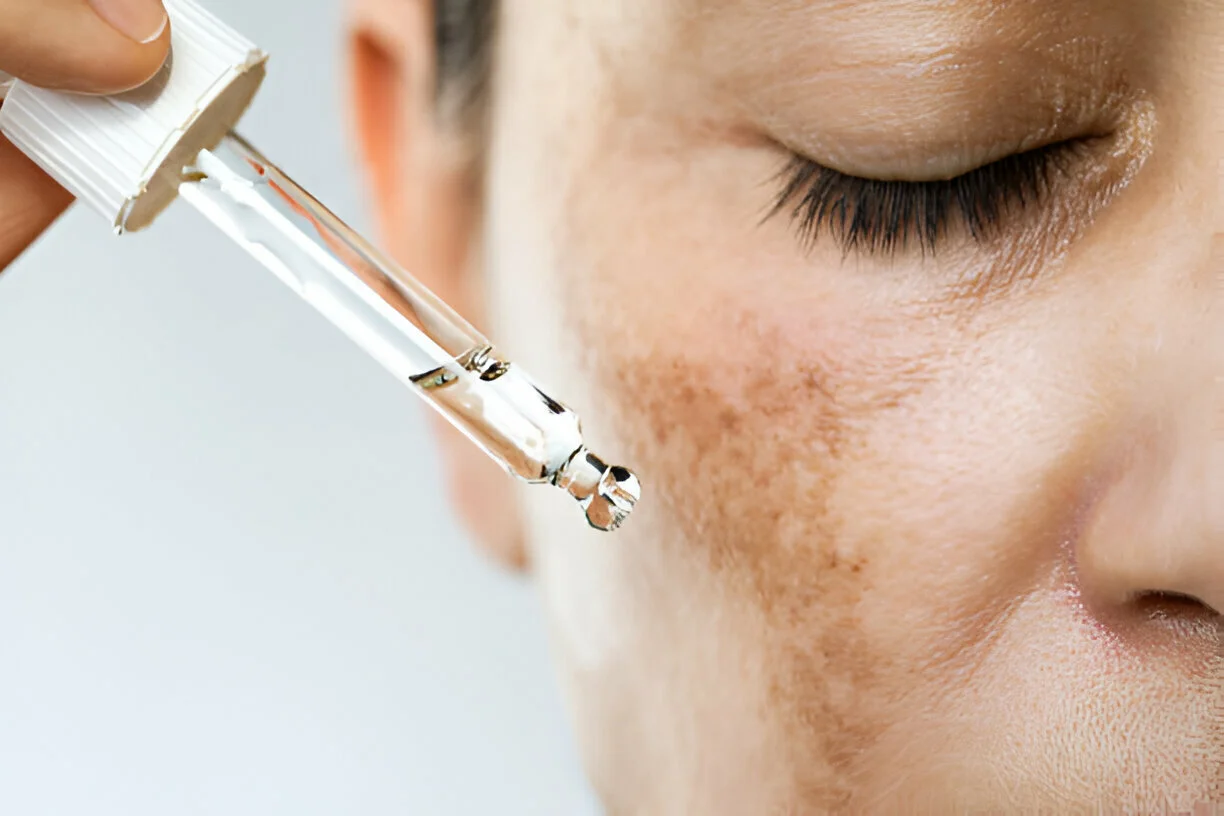
Melasma is a common pigmentation condition that causes brown or gray-brown patches on the skin, most commonly appearing on the cheeks, forehead, bridge of the nose, and above the upper lip. It can also develop on other sun-exposed areas such as the neck and forearms. Melasma develops when pigment-producing cells called melanocytes produce excess melanin, often in response to sunlight, hormonal changes, genetics, or skin irritation.
At New Touch Skin & Hair Care Clinic, we provide comprehensive Melasma Treatment focused on reducing existing pigmentation, improving uneven skin tone, and helping prevent future dark patches. Our experienced dermatologists carefully assess your skin type, pigmentation depth, possible triggers, and treatment history before creating a personalized plan. Depending on your condition, treatment may include medical-grade topical therapies, chemical peels, laser or light-based procedures, and strict sun protection for clearer, brighter, and more even-looking skin.

Our dermatologists carefully evaluate your pigmentation and distinguish melasma from other causes of hyperpigmentation before recommending treatment.
A thorough examination helps determine the location and extent of pigmentation. Additional evaluation, such as a Wood's lamp examination, may be recommended when appropriate.
Depending on your condition, treatment may include prescribed topical medications, chemical peels, laser or light-based therapies, and other dermatologist-recommended options.
UV exposure is one of the major triggers for melasma. We provide guidance on broad-spectrum sunscreen, protective clothing, and skincare habits to help prevent worsening and recurrence.
Melasma often requires ongoing management. Regular follow-ups allow us to monitor progress, adjust treatments, and maintain healthier, more even-toned skin.