
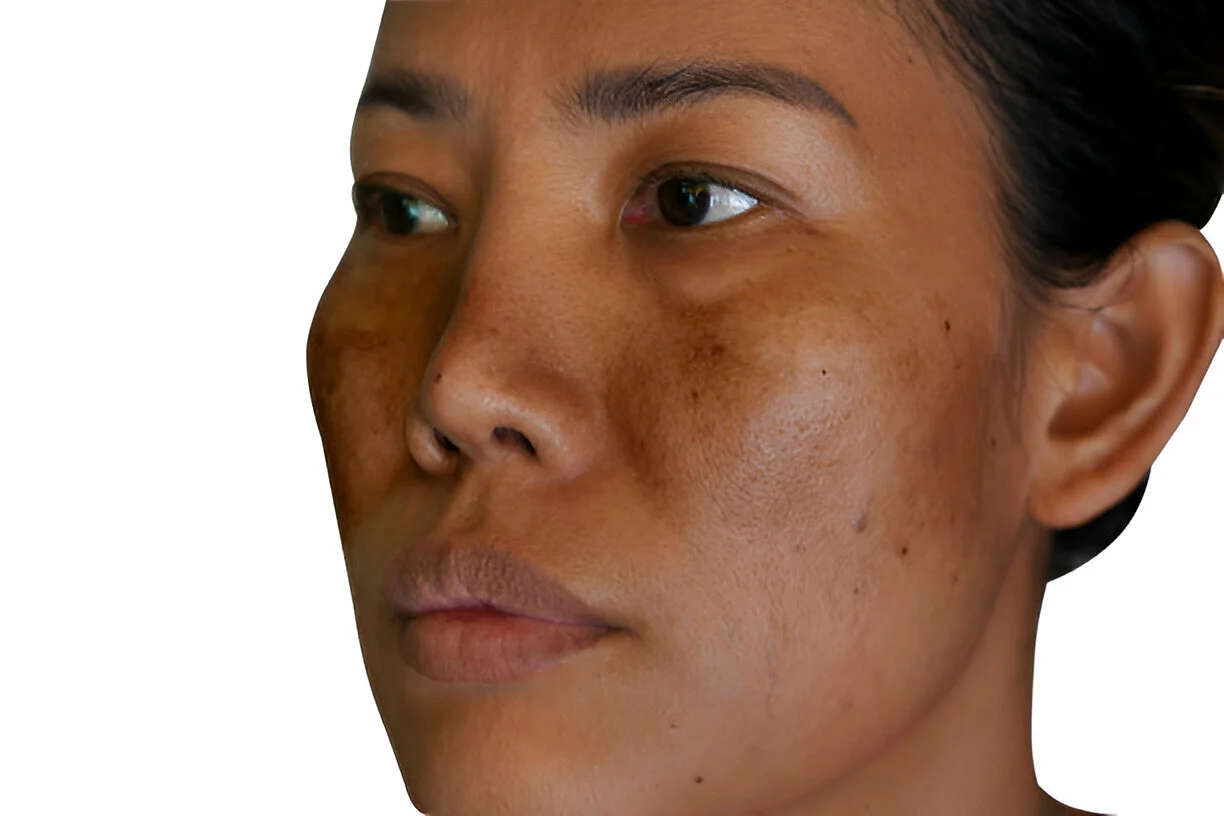
Skin pigmentation refers to the natural color of your skin, which is primarily determined by a pigment called melanin produced by melanocyte cells. When these cells produce too much or too little melanin, it can result in pigmentation concerns such as dark spots, uneven skin tone, melasma, sun spots, post-acne marks, or lighter patches. Pigmentation may develop due to sun exposure, hormonal changes, genetics, inflammation, certain medications, or previous skin injuries.
At New Touch Skin & Hair Care Clinic, we provide advanced Skin Pigmentation Treatment designed to reduce unwanted pigmentation and restore a clearer, brighter, and more even-looking complexion. Our experienced dermatologists carefully assess your skin type, pigmentation pattern, depth, and possible underlying causes before creating a personalized treatment plan. Depending on your condition, treatment may include chemical peels, laser therapy, medical-grade topical treatments, microdermabrasion, HydraFacial, and professional skincare guidance for safe and effective pigmentation management.

Our dermatologists carefully diagnose different pigmentation concerns and recommend treatment according to your individual skin condition rather than using a one-size-fits-all approach.
We evaluate the type, location, depth, and possible cause of pigmentation to distinguish between conditions such as melasma, sun spots, and post-inflammatory hyperpigmentation.
Our clinic combines modern laser treatments, chemical peels, medical-grade skincare, microdermabrasion, and other dermatological procedures based on your specific needs.
Treatment is supported with personalized skincare recommendations, sun protection, and maintenance guidance to help prevent pigmentation from becoming darker or recurring.
Our approach goes beyond reducing dark spots by focusing on healthier skin texture, improved tone, hydration, and an overall brighter and more radiant appearance.